Neurosurgery Residency
Welcome and thank you for your interest in the Neurosurgery Residency Program at Riverside University Health System Medical Center.
The RUHS ACGME Neurological Surgery Program sole objective is to train the complete neurosurgeon who is exceedingly competent in academic and clinical neurosurgery, who practices medicine with kindness and compassion, who communicates with respectful logical actions and words, who integrates Osteopathic philosophy into the care of not only the nervous system but also the entire person, who progressively improves the individual and societal practice of medicine fostering education, camaraderie and cooperation, who excels in the business and professional aspect of medicine nurturing growth, research, teaching, and best standards of practice, and who can solidify the many facets of medicine leading to improved patient and public instruction and confidence.
The program has incorporated within it and mandates that the six core competencies and osteopathic recognition of the ACGME be measured and mastered. These measured “Core Competencies” are medical knowledge, patient care, interpersonal and communication skills, professionalism, practice-based learning and improvement, systems-based practice, and Osteopathic principles and philosophy. The program also provides the potential for individualization in several areas including basic sciences, clinical electives, and research. The program is designed to provide residents with a thorough grounding in fundamental knowledge of neuroscience, as well as to develop diagnostic and therapeutic judgment along with the requisite surgical skills needed to practice neurological surgery.
As a Level I trauma center and safety-net academic medical center, RUHS is deeply committed to equitable, high-quality care. Additionally, we have added multiple hospitals to which our residents provide patient care and gain holistic neurological surgery experience. We also emphasize research and active academic pursuit in neuroscience, general neurosurgery, as well as all neurosurgery subspecialties.
While the training emphasizes mainstream general neurosurgery, residents are exposed to significant volumes of brain tumors, complex spine instrumentation, vascular neurosurgery, craniospinal trauma, and neuro-intensive care. All residents are encouraged to pursue subspecialty fellowship training after graduation, and thus far 100% of our graduates have gone on to sub-specialization.
Preparing future physicians to meet patients’ expectations for optimal care requires that they learn in clinical settings epitomizing the highest standards of medical practice. Our faculty are committed as role models for residents, nurture both the intellectual and the personal development of residents, foster academic excellence, exemplary professionalism, cultural sensitivity, and maintain competence through life-long learning.
In alignment with the Mission of our sponsoring institution, our Program’s endeavor to educate exceedingly competent academic and clinical neurosurgeons that are dedicated in mind and body to the excellence of patient care; improve the quality of health and well-being of the most affected of the patient population at the stage in which they may be at their most critical and vulnerable; and practice medicine with kindness and compassion, integrating the Osteopathic philosophy into the care of not only of the nervous system, but also the entire patient, family and community.
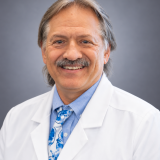
Dan Miulli, DO
Program Director
Curriculum
Year-by-year training structure and rotation schedule
Neurosurgery is a 7 year training program. The first year is the year of fundamentals . PGY-1s are trainined in Basic Sciences and participate on rotations that develop the knowledge, attitudes, and skills needed to formulate and assess, plan, and initiate treatment of patients with surgical and medical problems. The remaining 72 months of training include a minimum 54 months neurosurgerical training which includes a Chief year at PGY-6, elective clinical education, and a research year.
-
Grand Rounds
Mondays 1-6pm KP Fontana and RUHS
Thursdays when a Monday holiday falls. 1st and 3rd Mondays at KP Fontana, 2nd, 4th and 5th at RUHS. Each session includes two lectures, a quiz, rotating activities, case presentations and a simultaneous Skills Day lab.
-
Journal Club
Second Thursday monthly
Follows the residents' dedicated research time. Topics and attending faculty vary.
- Case Management Conference Weekly
- Morbidity and Mortality Monthly
- QI or research project Required for graduation
- Board exam prep series PGY-2 and PGY-3
- Scholarly paper Outline due each December
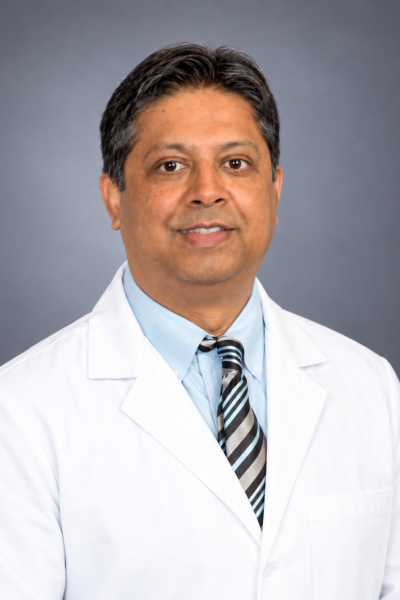
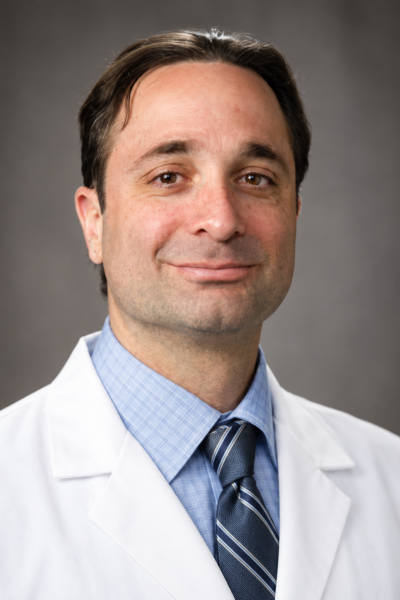
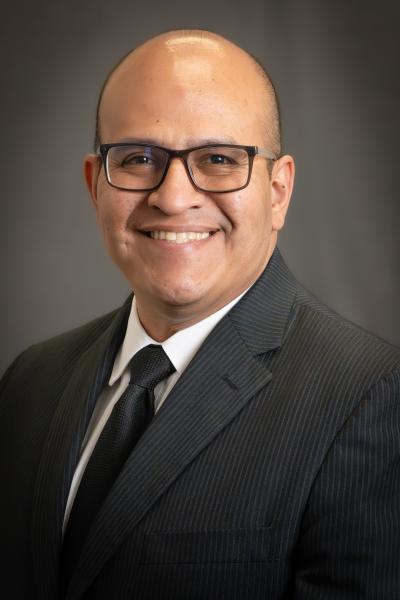
Faculty & Staff
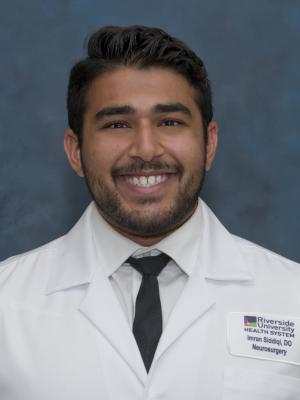
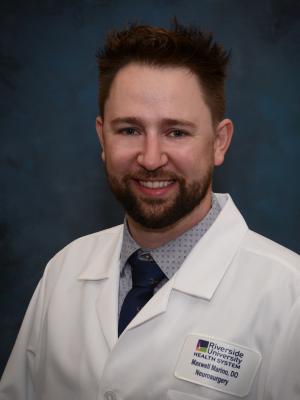
Meet the physicians and coordinators who lead our program
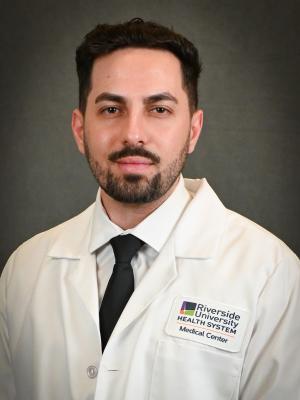
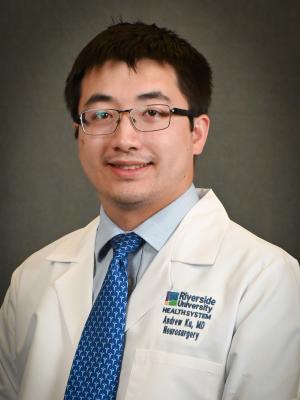
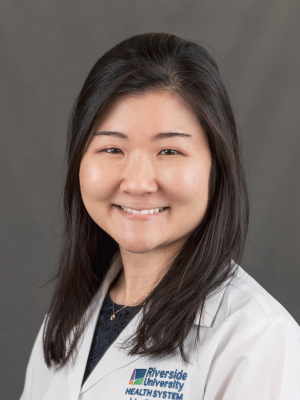
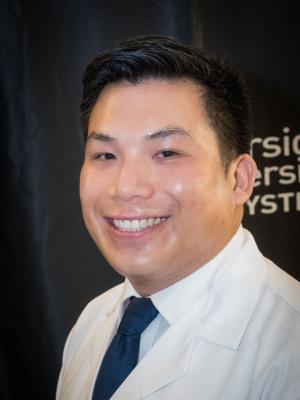
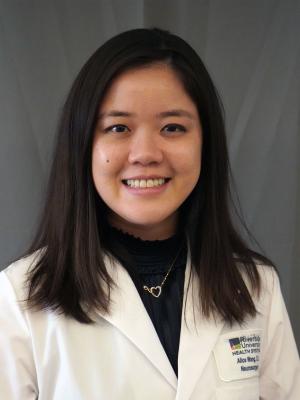
Current Residents
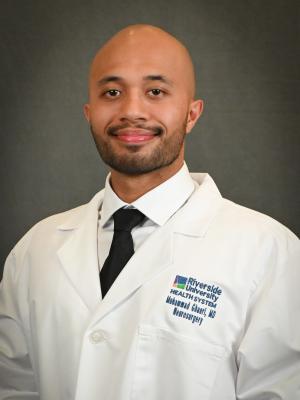
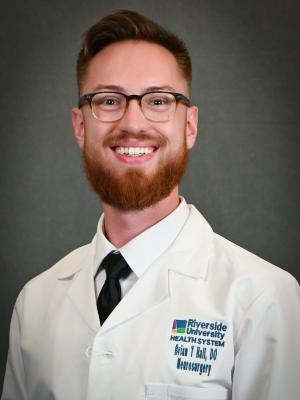
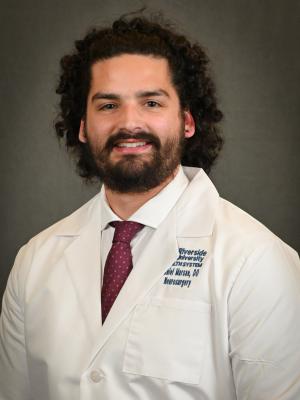
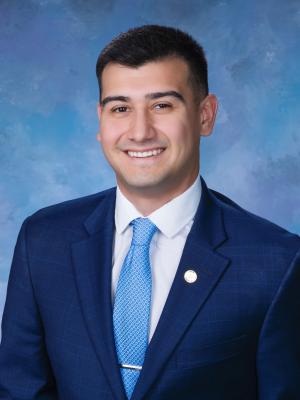
Our resident physicians by training year
Salary & Benefits
Compensation and benefits for all RUHS residency program trainees
| Year | Annual Salary | Biweekly |
|---|---|---|
| PGY-1 | $77,875 | $2,995 |
| PGY-2 | $80,056 | $3,079 |
| PGY-3 | $83,203 | $3,200 |
| PGY-4 | $86,486 | $3,326 |
| PGY-5 | $90,026 | $3,463 |
| PGY-6 | $93,370 | $3,591 |
| PGY-7 | $96,475 | $3,711 |
Program Documents
Specific to Neurosurgery Residency
Required Disclosure Documents
Per ACGME requirements, the following documents must be made available to all applicants
Life in the Program
Our residents, our hospital, our city