Emergency Medicine
Curriculum
Year-by-year training structure and rotation schedule
Our first years learn, across the different services, pivotal information that is required for subsequent years. Our residents are not restricted in procedures in the Emergency Department and have seen and done a variety of procedures from central lines and arterial lines to transvenous pacers and burr holes. On shift, our residents are strongly encouraged to hone their ultrasound skills.
Our second years are expected to operate as seniors. They will be placed in charge of the department to understand ED workflow and how to delegate tasks. They are encouraged to be a part of different interdepartmental committees such as Trauma, Stroke, and Sepsis. During the Ultrasound Rotation, residents will learn more advanced skills to help precisely manage patients. On other services, our residents are also expected to operate as seniors, taking charge of the service and implementing what they have learned previously.
Our third years are expected to function similarly to attendings. They will hone the skills they have gained and focus on how they want to practice as attendings.
- Emergency Medicine Didactics Thursdays
- Journal Club Quarterly
- Cadaver Lab
Faculty & Staff
Meet the physicians and coordinators who lead our program

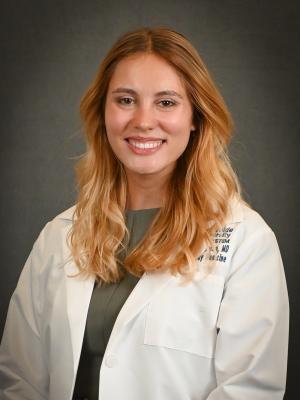
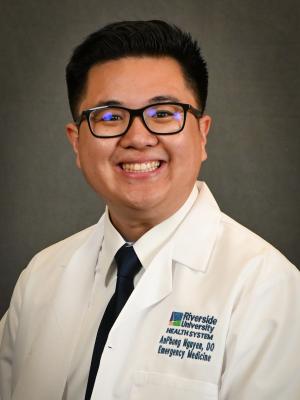
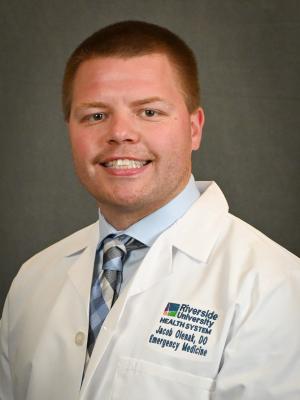
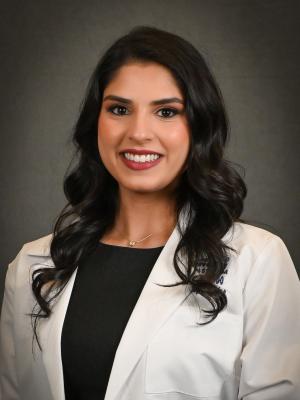
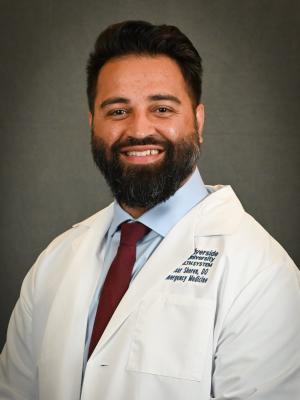
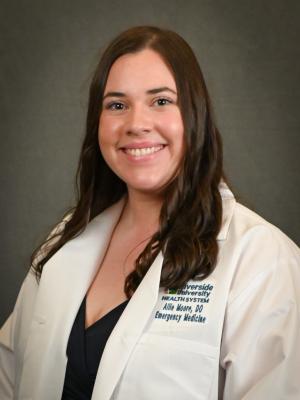
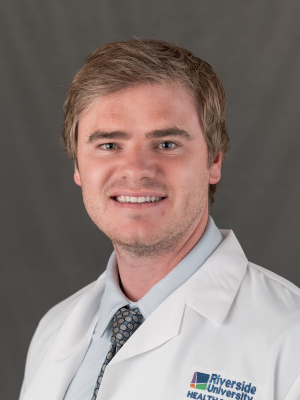
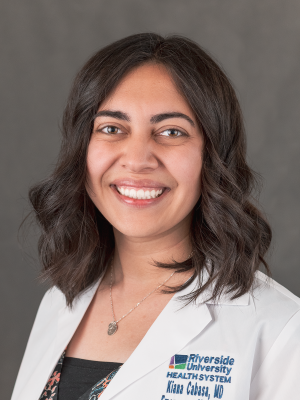
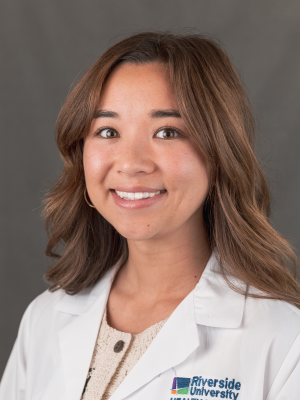
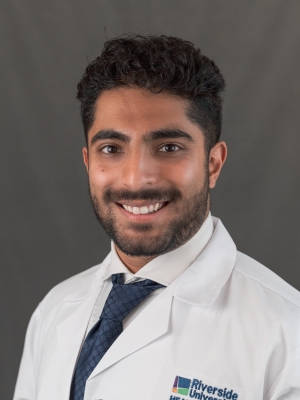
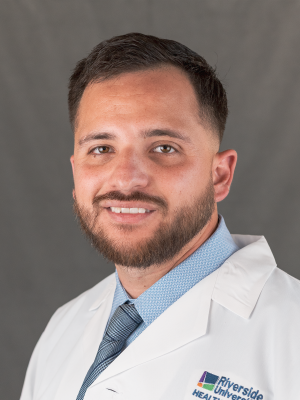
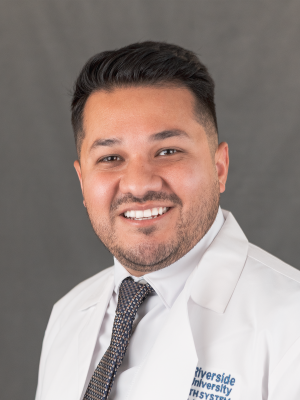
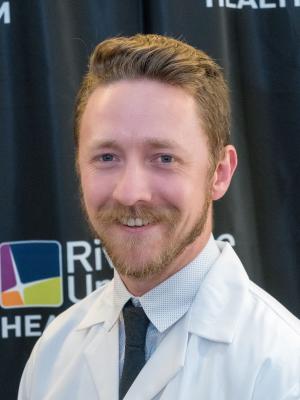
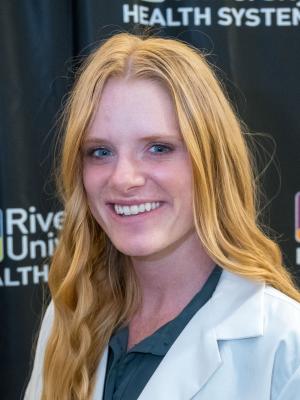
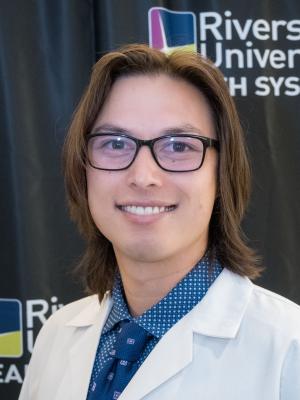
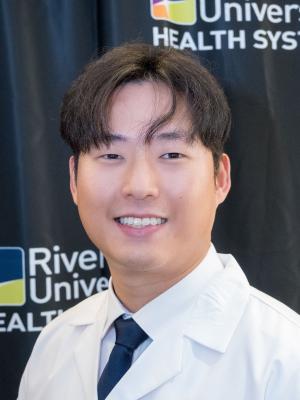
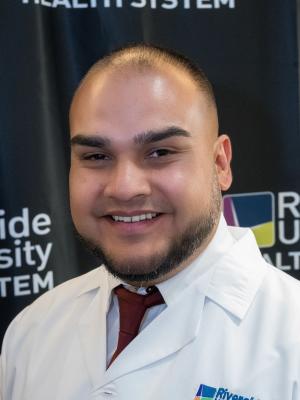
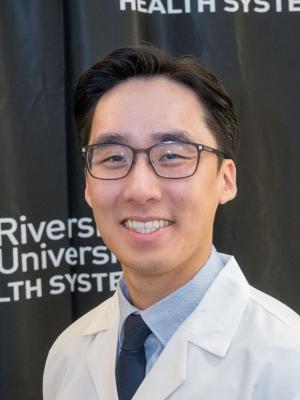
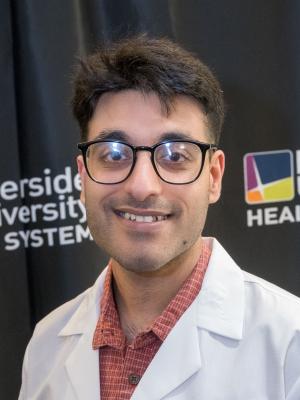
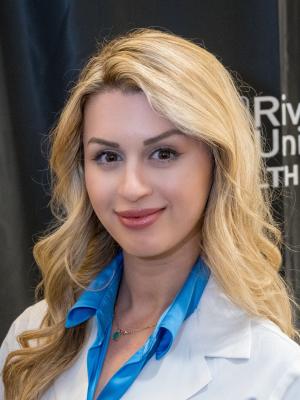
Current Residents
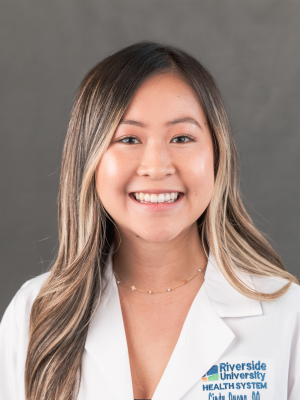
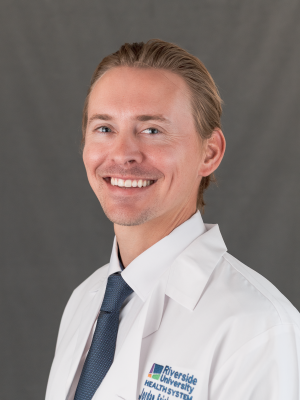
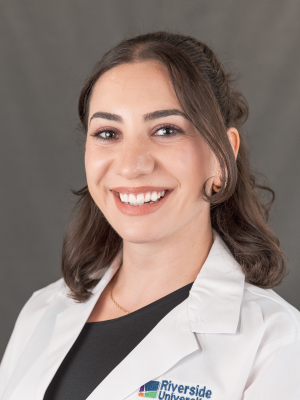
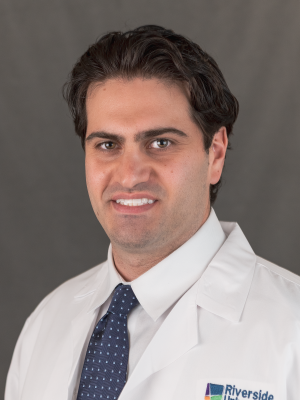
Our resident physicians by training year





Salary & Benefits
Compensation and benefits for all RUHS residency program trainees
| Year | Annual Salary | Biweekly |
|---|---|---|
| PGY-1 | $77,875 | $2,995 |
| PGY-2 | $80,056 | $3,079 |
| PGY-3 | $83,203 | $3,200 |
Required Disclosure Documents
Per ACGME requirements, the following documents must be made available to all applicants