Neurosurgery Residency
Welcome and thank you for your interest in the Neurosurgery Residency Program at Riverside University Health System Medical Center.
The RUHS ACGME Neurological Surgery Program sole objective is to train the complete neurosurgeon who is exceedingly competent in academic and clinical neurosurgery, who practices medicine with kindness and compassion, who communicates with respectful logical actions and words, who integrates Osteopathic philosophy into the care of not only the nervous system but also the entire person, who progressively improves the individual and societal practice of medicine fostering education, camaraderie and cooperation, who excels in the business and professional aspect of medicine nurturing growth, research, teaching, and best standards of practice, and who can solidify the many facets of medicine leading to improved patient and public instruction and confidence.
The program has incorporated within it and mandates that the six core competencies and osteopathic recognition of the ACGME be measured and mastered. These measured “Core Competencies” are medical knowledge, patient care, interpersonal and communication skills, professionalism, practice-based learning and improvement, systems-based practice, and Osteopathic principles and philosophy. The program also provides the potential for individualization in several areas including basic sciences, clinical electives, and research. The program is designed to provide residents with a thorough grounding in fundamental knowledge of neuroscience, as well as to develop diagnostic and therapeutic judgment along with the requisite surgical skills needed to practice neurological surgery.
As a Level I trauma center and safety-net academic medical center, RUHS is deeply committed to equitable, high-quality care. Additionally, we have added multiple hospitals to which our residents provide patient care and gain holistic neurological surgery experience. We also emphasize research and active academic pursuit in neuroscience, general neurosurgery, as well as all neurosurgery subspecialties.
While the training emphasizes mainstream general neurosurgery, residents are exposed to significant volumes of brain tumors, complex spine instrumentation, vascular neurosurgery, craniospinal trauma, and neuro-intensive care. All residents are encouraged to pursue subspecialty fellowship training after graduation, and thus far 100% of our graduates have gone on to sub-specialization.
Preparing future physicians to meet patients’ expectations for optimal care requires that they learn in clinical settings epitomizing the highest standards of medical practice. Our faculty are committed as role models for residents, nurture both the intellectual and the personal development of residents, foster academic excellence, exemplary professionalism, cultural sensitivity, and maintain competence through life-long learning.
In alignment with the Mission of our sponsoring institution, our Program’s endeavor to educate exceedingly competent academic and clinical neurosurgeons that are dedicated in mind and body to the excellence of patient care; improve the quality of health and well-being of the most affected of the patient population at the stage in which they may be at their most critical and vulnerable; and practice medicine with kindness and compassion, integrating the Osteopathic philosophy into the care of not only of the nervous system, but also the entire patient, family and community.
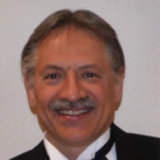
Dan Miulli, DO
Program Director

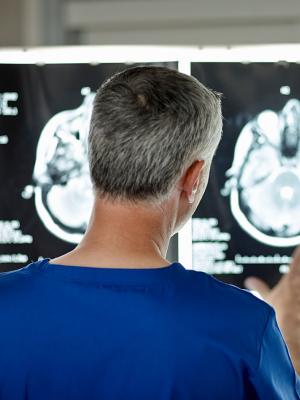
Curriculum
Year-by-year training structure and rotation schedule
PGY-1 residents receive foundational training in the basic sciences and participate in clinical rotations designed to develop the knowledge, attitudes, and skills necessary to evaluate patients, formulate diagnoses, and initiate treatment plans for surgical and medical conditions. During this year, residents develop proficiency in relevant history-taking and physical examination skills across each rotation. Residents also learn to prepare a scientific manuscript using the case report format.
PGY-2 residents develop greater proficiency in the neurologic history and examination. They receive training in neurosurgical instrumentation and technology, including headrests, retractor systems, stereotactic frames, surgical microscopes, and frameless stereotaxy. Residents function as surgical assistants and develop fundamental operative skills, including wound opening and closure, burr-hole creation, and placement of intracranial pressure monitoring devices. Residents also begin a formal research rotation.
PGY-3 residents expand their neurosurgical knowledge through broader and more advanced reading. Case management discussions become increasingly detailed and are expected to demonstrate greater clinical depth. Residents continue to function as first assistants while performing more surgical procedures under supervision, including opening and exposing pathology, assisting with its removal, and closing cranial and spinal cases. They also develop greater familiarity with outpatient management. Residents complete an annual research paper that is more substantive than a case report.
PGY-4 residents broaden their reading beyond standard references and assume greater responsibility for the education and supervision of medical students on elective rotations. They take an increased role in outpatient and office-based patient management, including evaluating new patients and discussing diagnostic and treatment options. In the operating room, residents perform an increasing number of surgical procedures under supervision, with the attending serving as first assistant during resident-performed portions of the operation. Advanced neurosurgical operative skills are expected. The annual research project must demonstrate greater sophistication and be submitted for publication.
PGY-5 residents continue to expand their clinical and surgical knowledge while assuming increased responsibility for the education of junior residents. They complete and publish research projects, with an expectation of producing substantive peer-reviewed manuscripts. Residents continue to develop surgical independence and clinical leadership skills and assume greater responsibility for inpatient care of both pediatric and adult patients. They demonstrate consistent expertise in the neurologic management of a broad range of conditions.
The PGY-6 year is the Chief Resident year. Residents continue to expand their clinical and surgical knowledge while assuming increased responsibility for junior resident education and management of the neurosurgical service. They complete and publish research projects, with an expectation of producing substantive peer-reviewed manuscripts. They continue to develop surgical independence and clinical leadership while managing inpatient care of both pediatric and adult patients. Residents demonstrate consistent expertise in the neurologic management of a broad range of conditions and coordinate junior resident activities, including academic programs, call schedules, and vacation schedules.
PGY-7 residents spend 12 months in Neurosurgery, which may include elective rotations. They assume a leadership role in the management of the neurosurgical service and are expected to lead junior resident education, coordinate academic programs, call and vacation schedules, and participate in administrative activities. Residents prepare and present cases for Case Management Conference and complete and publish substantive peer-reviewed research. They demonstrate progressive advancement of clinical and technical skills culminating in completion of residency training. Residents take an increased role in outpatient and office-based activities and demonstrate consistent expertise across all areas of neurosurgical management. They lead junior resident teams and are eligible for out rotations in subspecialty areas.
-
Grand Rounds
Weekly RUHS, KP Fontana, and Zoom
Grand Rounds occurs weekly and is considered protected time. All residents must attend. Each session includes two lectures, a quiz, rotating activities, case presentations, attending rounds, and Skills Day lab.
-
Junior Case Presentations
Weekly
Juniors present cases; discuss assessment, decision making, and surgical approaches.
-
Lectures
Weekly
A&P lectures given by Juniors PGY 1–4; Clinical lectures by PGY 5–7. Lectures include Psarros questions and OMT.
-
Quiz
Weekly
10-question quiz based on prior week's lecture + resident-submitted questions.
-
Rotating Activities
Weekly
Rotating activities include Book Club, Journal Club, Interdisciplinary Jeopardy, Neuropathology lectures, NIR Lectures, Research Presentations, Radiation Safety Lectures, and OMT.
-
Cadaver Labs
Semi Annually
The program is provided with a cadaver lab at least twice a year.
-
Simulation Lab
Weekly
The program uses state-of-the-art simulation equipment to practice procedures before experiencing them in the OR setting. The labs include the use of a Mentice equipment, microscopes, and drilling.
-
OMT Skills
Quarterly
While Osteopathic Principles and Philosophy is incorporated in all lectures, a skills session on OMT is provided quarterly.
Faculty & Staff
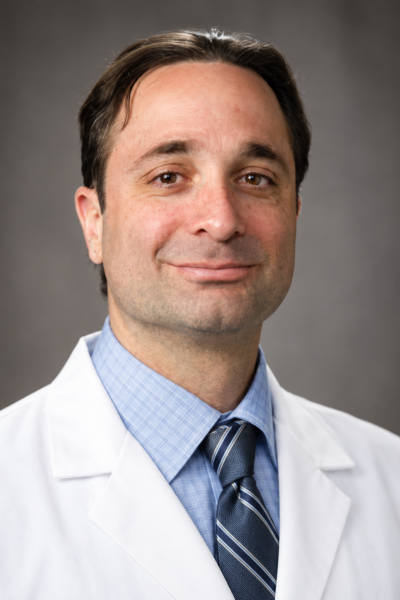
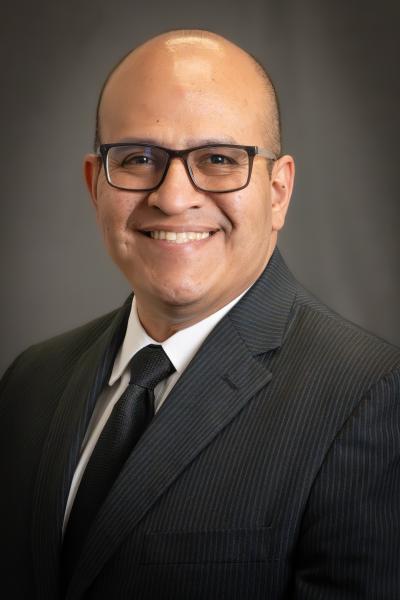
Meet the physicians and coordinators who lead our program
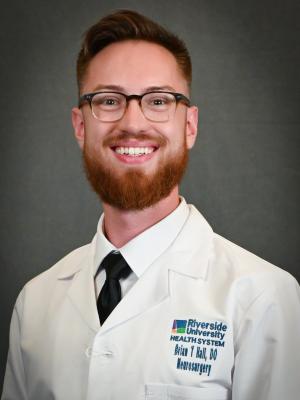
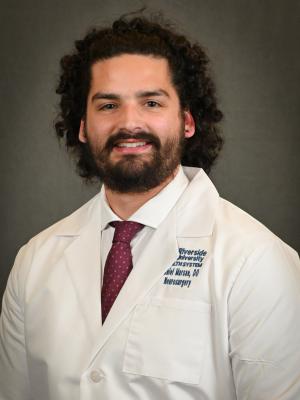
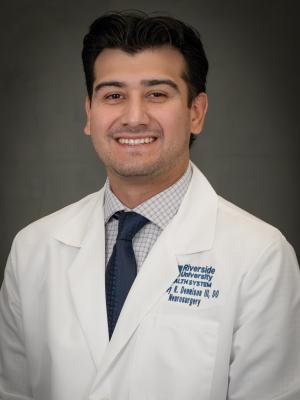
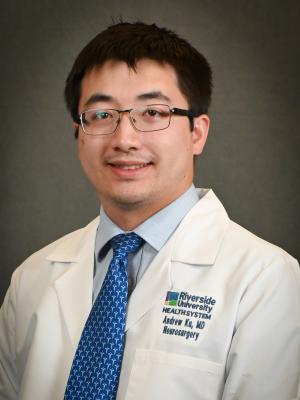
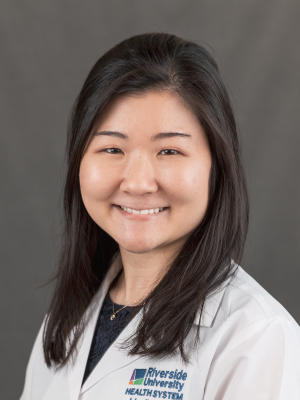
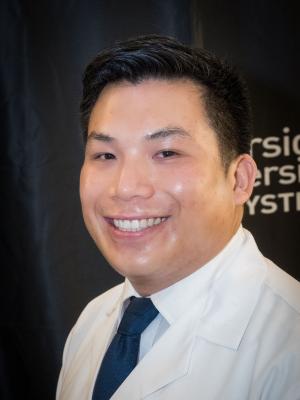
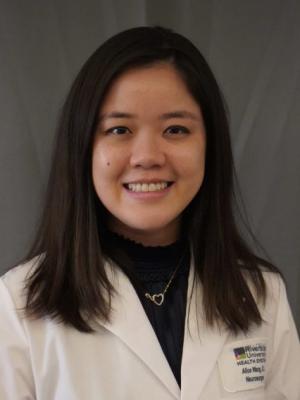
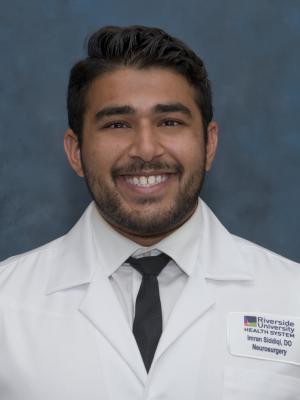
Current Residents
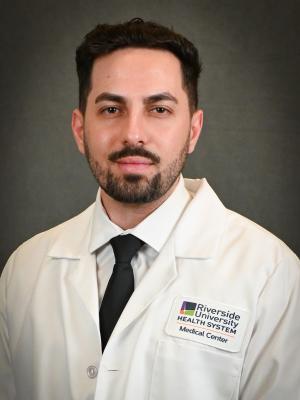
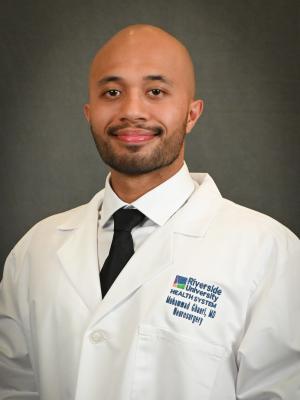
Our resident physicians by training year
Salary & Benefits
Compensation and benefits for all RUHS residency program trainees
| Year | Annual Salary | Biweekly |
|---|---|---|
| PGY-1 | $77,875 | $2,995 |
| PGY-2 | $80,056 | $3,079 |
| PGY-3 | $83,203 | $3,200 |
| PGY-4 | $86,486 | $3,326 |
| PGY-5 | $90,026 | $3,463 |
| PGY-6 | $93,370 | $3,591 |
| PGY-7 | $96,475 | $3,711 |
Program Documents
Specific to Neurosurgery Residency
Required Disclosure Documents
Per ACGME requirements, the following documents must be made available to all applicants
Life in the Program
Our residents, our hospital, our city